

Why Indian Ethnic Wear Never Goes Out of Style: History, Craft & Fashion
 Indian ethnic wear is more than just clothing - it is heritage, craftsmanship, identity, and timeless fashion woven together. While global fashion trends shift every season, Indian traditional wear like sarees, lehengas, salwar suits, and sherwanis continues to remain relevant across generations. From weddings and festivals to modern office styling, ethnic fashion in India never truly fades.
So what makes Indian ethnic wear timeless? The answer lies in its deep historical roots, rich textile craftsmanship, emotional significance, and ability to adapt to contemporary fashion trends.
1. A Rich Historical Legacy
Indian ethnic wear dates back thousands of years. Ancient temple carvings, sculptures, and Mughal-era paintings showcase draped garments and embroidered fabrics that still inspire modern designers.
The saree, one of the oldest surviving garments in the world, has evolved over centuries while retaining its essence. Similarly, the lehenga choli gained prominence during the Mughal period, and the anarkali suit reflects royal court elegance.
Regional textiles further strengthen this legacy:
-
Banarasi silk from Varanasi
-
Kanchipuram silk from Tamil Nadu
-
Bandhani from Gujarat and Rajasthan
-
Chikankari from Lucknow
-
Phulkari from Punjab
Each weave and embroidery style represents culture, tradition, and community - making Indian traditional clothing deeply rooted in history.
2. Unmatched Craftsmanship
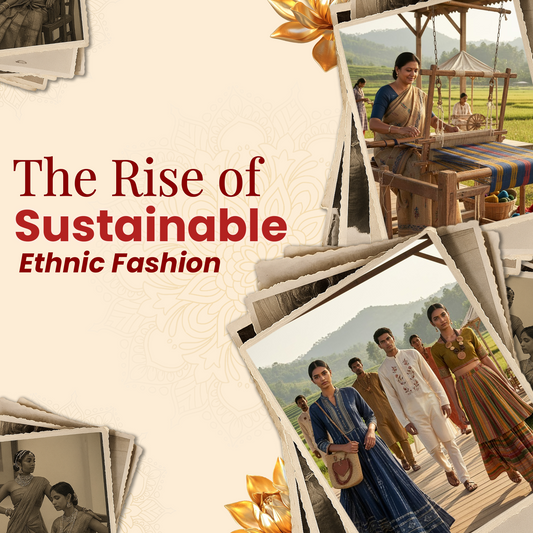
One of the strongest pillars of Indian ethnic fashion is craftsmanship. India is globally recognized for handloom weaving, intricate embroidery, and detailed textile artistry.
Popular craft techniques include:
-
Zari and Zardozi embroidery
-
Mirror work
-
Block printing
-
Handloom weaving
-
Chikankari hand embroidery
These skills are often passed down through generations, preserving authenticity and uniqueness. In a world dominated by fast fashion, handcrafted ethnic wear offers exclusivity, quality, and sustainability.
With growing demand for ethical fashion and slow fashion, Indian ethnic wear aligns naturally with modern values.
3. Adaptability to Modern Trends
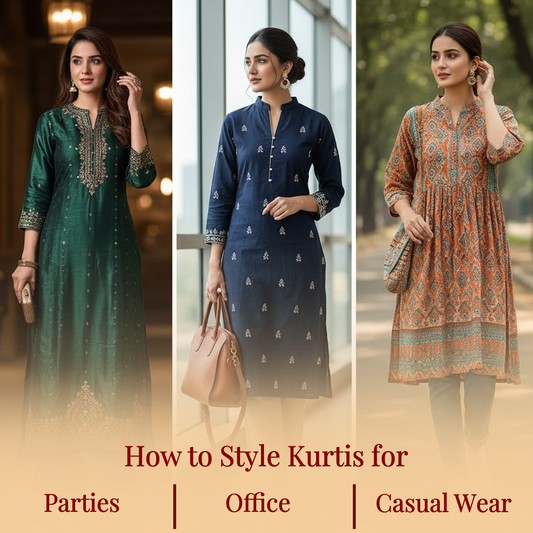
Indian ethnic wear survives every fashion cycle because it evolves. Designers continuously reinterpret traditional silhouettes to suit contemporary lifestyles.
Modern ethnic styling trends:
-
Sarees paired with belts or blazers
-
Crop tops styled with lehenga skirts
-
Kurtas worn with jeans
-
Minimal embroidery with pastel shades
-
Pre-stitched sarees for convenience
This fusion of traditional and modern fashion ensures that ethnic wear appeals to younger generations while retaining its cultural essence.
4. Emotional & Cultural Significance
Fashion trends come and go, but emotions last. Indian ethnic wear plays a central role in life’s most meaningful moments - weddings, festivals, and family gatherings.
Occasions where ethnic wear dominates:
-
Weddings and bridal fashion
-
Diwali, Eid, Navratri, Durga Puja
-
Religious ceremonies
-
Cultural celebrations
A bridal lehenga becomes a cherished memory. A silk saree passed down generations becomes a family heirloom. These emotional connections make ethnic clothing timeless.
5. Diversity of Styles & Fabrics
India’s cultural diversity ensures endless variety in ethnic wear.
Popular categories:
-
Sarees (silk, cotton, chiffon, georgette, organza)
-
Lehenga choli
-
Salwar suits and churidar sets
-
Anarkali suits
-
Kurta pajama and sherwani
-
Indo-western fusion wear
Fabric choices such as silk, cotton, velvet, linen, chiffon, and organza make ethnic wear suitable for every season and occasion.
This versatility keeps Indian ethnic fashion evergreen.
6. Influence of Weddings & Festive Fashion
The Indian wedding industry plays a massive role in sustaining ethnic fashion. Bridal collections may change in color trends and styling, but the foundation remains traditional - rich fabrics, intricate embroidery, and elegant silhouettes.
Festive seasons also bring fresh collections while preserving core traditional elements. This balance between innovation and heritage keeps ethnic wear relevant year after year.
7. Global Recognition & Digital Growth
Indian ethnic wear has gained international recognition. Designers showcase Indian embroidery techniques at global fashion weeks, and sustainable handloom movements have attracted worldwide appreciation.
Social media, e-commerce platforms, and celebrity styling have expanded the reach of ethnic fashion globally. Younger generations experiment with heritage textiles, ensuring that tradition thrives in a digital-first era.
Conclusion
Indian ethnic wear never goes out of style because it stands on three powerful foundations:
-
Deep historical roots
-
Timeless craftsmanship
-
Adaptability to modern fashion
It blends tradition with innovation, supports sustainable fashion, and carries emotional value across generations. In a fast-paced fashion world, Indian traditional clothing remains a symbol of elegance, identity, and cultural pride.
Whether it’s a handwoven saree, a festive lehenga, or a simple cotton kurta, ethnic wear continues to define timeless style - today and for years to come.