

The Rise of Sustainable Ethnic Fashion: Cotton & Handloom Styles

Let’s face it, fashion is no longer just about looking good. It’s about feeling good and doing good, too. These days, everyone wants clothes that are not just stylish but also kind to the planet. That’s where sustainable ethnic fashion comes in, and honestly, it’s one of the best shifts our wardrobes have seen in years!
From soft cotton kurtis to beautifully woven handloom sarees, India’s love for traditional fabrics is making a huge comeback, but this time, with a modern, eco-friendly twist.
If you’ve ever wondered why “handmade”, “organic”, or “sustainable” fashion has become such a buzzword lately, keep reading because we’re diving deep into the world of sustainable ethnic wear that’s as stylish as it is soulful.
What Does Sustainable Fashion Really Mean?
In simple words, sustainable fashion means choosing clothes that are made responsibly, from how the fabric is grown to how the artisans are treated.
It’s about using natural fabrics like cotton, linen, or khadi, supporting local craftsmen, and reducing waste. No fast fashion, no mass production, just clothes that are made with care and meant to last for years.
Think of it this way, instead of buying 10 cheap tops that lose shape in a few washes, you buy 2 beautiful handloom kurtis that stay with you season after season. Smart, right?
Why Cotton & Handloom Styles Are Making a Comeback
India has always been known for its handloom traditions. Every state has its own unique weave, design, and story. From Bengal’s soft cotton sarees to Kanchipuram silk and Ikat prints, we’ve grown up seeing our moms and grandmoms wear them with pride.
But for a while, fast fashion took over, and synthetic fabrics, machine prints, and disposable trends became the norm. Now, people are realising the importance of comfort, culture, and conscious living.
That’s why cotton and handloom styles are once again ruling wardrobes; they’re comfortable, eco-friendly, and super elegant.
1. The Charm of Pure Cotton Kurtis
If there’s one fabric that perfectly blends comfort with style, it’s cotton.
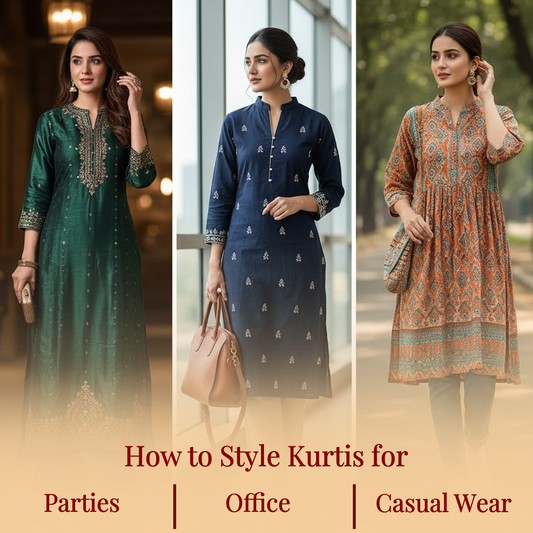
Cotton kurtis are soft, breathable, and perfect for India’s weather, whether you’re running errands, going to the office, or attending a family lunch.
You’ll find cotton kurtis in all styles from minimal hand-block prints to embroidered designs. Pair them with palazzos or jeans, and you’ve got a smart-casual look that feels good all day long.
And the best part? Cotton is a natural fibre; it decomposes easily and doesn’t harm the environment like synthetic fabrics do.
2. Handloom Sarees: A Classic Revival
There’s something magical about a handloom saree. The texture, the weave, the tiny imperfections, they all tell a story.
Whether it’s a Kota Doria from Rajasthan, a Chanderi from Madhya Pradesh, or a Kalamkari from Andhra, each handloom saree reflects the art of its region.
What’s even more beautiful is how today’s younger generation is embracing these sarees, styling them with crop tops, belts, and oxidised jewellery for that fusion twist.
Handloom sarees are no longer just for festivals or weddings; they’ve become a fashion statement for modern women who love blending tradition with trend.
3. Khadi – The Fabric of Freedom & Sustainability
When we talk about sustainable fashion in India, we have to mention Khadi.
Khadi isn’t just a fabric; it’s a symbol of self-reliance and simplicity. Hand-spun and hand-woven, it supports thousands of rural artisans across India.
Khadi kurtas, dupattas, or sarees are perfect examples of minimalistic fashion, comfortable, classy, and meaningful. Plus, they keep you cool in summer and warm in winter, talk about smart fashion!
4. Handcrafted Dupattas – Small Detail, Big Impact
Never underestimate the power of a handcrafted dupatta.
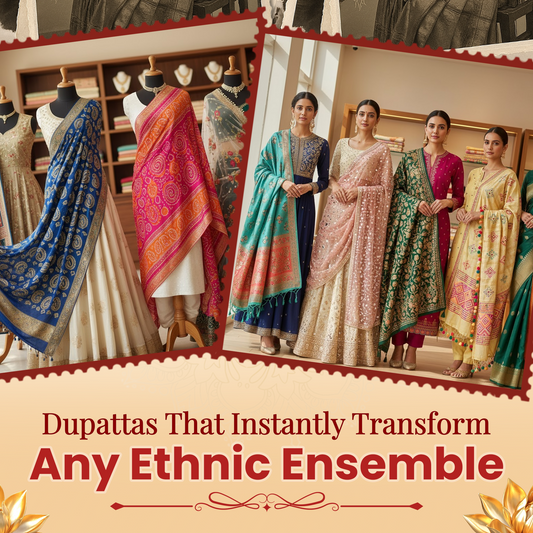
A simple kurta set can instantly turn festive with a handloom dupatta, whether it’s Phulkari, Banarasi, or Kalamkari. These are not just accessories; they’re wearable art that celebrates Indian craftsmanship.
When you buy a handloom dupatta, you’re not just adding beauty to your wardrobe; you’re also supporting the artisan who spent days (sometimes weeks!) weaving that piece.
5. The Eco-Friendly Benefits of Choosing Handloom
Apart from being beautiful, handloom fabrics are sustainable by nature.
-
They use less electricity and water since they’re woven manually.
-
The dyes used are often natural or low-impact, which are safer for the environment.
-
Most importantly, they support rural artisans in keeping India’s traditional skills alive.
So, every time you wear a handloom outfit, you’re contributing to a cleaner planet and empowering local communities.
6. Mixing Tradition with Modern Vibes
The best part about today’s sustainable ethnic fashion? You can make it super trendy!
Style your cotton kurti with denim jackets, wear khadi sarees with sneakers, or throw on a hand-block printed shrug over a western dress.
Indian designers and homegrown brands are getting creative, mixing traditional fabrics with modern silhouettes to create outfits that are both chic and conscious.
From airport looks to festive wear, handloom is literally everywhere!
7. How You Can Make Your Wardrobe More Sustainable
Going sustainable doesn’t mean giving up on fashion; it just means being more mindful. Here’s how you can start:
-
Buy less, choose better. Go for timeless pieces instead of fast fashion trends.
-
Support local artisans — shop from small boutiques, exhibitions, or online handloom stores.
-
Repurpose old clothes — turn your mom’s old saree into a kurta or dupatta.
-
Opt for natural fabrics — cotton, linen, silk, or jute.
-
Take care of your clothes — hand wash, line dry, and reuse instead of discarding quickly.
A few small changes can make a big difference, for you, for the artisans, and for the Earth.
Final Thoughts: Fashion with a Heart
The rise of sustainable ethnic fashion is not just a trend; it’s a movement. A movement towards comfort, culture, and conscious choices.
Wearing cotton kurtis, khadi sarees, or handloom dupattas isn’t just about looking good; it’s about feeling proud of what you wear and where it comes from.
So next time you’re shopping for ethnic wear, pause for a second and think, “Who made my clothes?”
Because when you choose handloom and cotton, you’re not just buying a piece of fabric, you’re celebrating India’s heritage, supporting artisans, and taking a small step towards a more sustainable future.